While most people have heard of spine subluxation, it’s rare that someone actually knows entirely what it is.
So, what is subluxation of the spine?
Spine subluxation refers to the vertebra in your spine being misaligned or out of place. When this happens, you may experience loss of movement or function, or even chronic pain, because signals can get crossed between the body and brain.
This condition can steadily get worse over time if not properly diagnosed and treated. Your spine can slowly shift due to repetitive movements or bad posture. A traumatic event may also throw your spine out of its natural alignment.
Continue reading to learn more about not only the causes of spine subluxation but the different categories used to describe it and the most effective ways to treat it.
And if you live in the San Diego area and need spine subluxation treatment, Intouch Chiropractic can help! Click here to schedule an appointment with a licensed chiropractor in San Diego, California.
Complete Guide to Spinal Subluxation
In this post, we’ll cover everything you need to know about spinal subluxation, including what can be done to treat it.
First, let’s cover the different types of spine subluxation.
Types of Spine Subluxation
There are four different types or categories of spine subluxation. Even though each of these categories has several subcategories, let’s discuss the four broad categories and what each of them entails.
Static Intersegmental Subluxation
This first category can be detected by a chiropractor palpating along the spine, testing for mobility, and is associated with the following conditions:
- Extension Malposition
- Flexion Malposition
- Lateral Flexion Malposition
- Rotation Malposition
- Anterolisthesis
- Retrolisthesis
- Osseous Foraminal Encroachment
Kinetic Intersegmental Subluxation
If your spine subluxation is placed in this category, your chiropractor has been able to discover movement between the normal sections of your spinal column.
- Hypomobility
- Hypermobility
- Aberrant motion
Sectional Subluxation
Spine subluxation that is specific to one basic area of your spine falls under the sectional subluxation category. This may include when sections of your spine move in inappropriate ways or the deterioration of curved areas.
- Abnormalities of motion
- Decompensation of adaptational curves
- Scoliosis secondary to muscle imbalance
- Scoliosis secondary to structural asymmetries
Paravertebral Subluxation
Spinal subluxation in this category directly impacts the muscles that run the length of the spine. This could affect any tendons or ligaments along your spine as well.
- Sacroiliac subluxation
- Costovertebral dis relationships
Causes of Spine Subluxation
There are literally endless causes of spinal subluxation. Some may be caused by physical, emotional, or even chemical causes. Below are a few of the leading factors when it comes to spinal subluxation:
Trauma
While there may be various causes of spine subluxation, trauma is the most common cause. When we think of trauma, we think of a major incident such as a car accident or nasty fall. However, minor trauma from daily habits can be every bit as much of a problem.
For example, looking up at a computer screen all day or sleeping on your stomach each night can cause changes in your spine that are unhealthy, leading to spine subluxation.
Stress
We’re often told that stress is extremely harmful to our bodies and our general health. And stress certainly can play a role in causing spine subluxation. When we are experiencing large amounts of stress, we feel it in our upper back and neck. Anxiety and stress can actually cause your muscles to become tight and cause tension within your body, leading to spinal subluxations.
Chemicals
We knowingly and unknowingly expose our bodies to chemicals every day in the form of medications, processed foods, and more. These chemicals may contribute to vertebral misalignment.
For example, prescription drugs can alter your body chemistry in a negative way. There are chemicals in our food and even water that can cause our muscles to atrophy and weaken. When our body chemistry is off, the natural amount of resistance from our muscles can get out of alignment and lead to spinal misalignment.
7 Bodily Effects of Spinal Subluxation
As your tissues undergo steady and constant movements which may lead to spinal subluxation, there are several changes that can occur in the process:
- Atrophy of Muscles: Atrophy occurs when a muscle partially or completely fades away or shrinks due to inactivity and other health conditions
- Fibrosis: Replacement of normal tissue with scar tissue
- Edema: When your body’s capillaries are damaged, excess fluid can leak and build up in your tissues leading to swelling
- Congestion: Toxins develop causing trigger points in certain areas, irritating nerve endings within the muscle
- Local Ischemia: Ischemia refers to a lack of blood flow in a muscle, often stemming from a muscle spasm, causing severe muscle pain
- Hyperemia: Hyperemia refers to the excess of blood in a specific area of the body, preventing the blood to flow in a natural way
- Tissue Rigidity: Adhesions form, causing rigidity in ligaments, muscles, and tendons
Next, let’s go into some of the main symptoms you might see if you are experiencing spinal subluxations.
 11 Common Symptoms of Spinal Subluxations
 11 Common Symptoms of Spinal Subluxations
While their severity may vary from person to person, below is a list of the 11 most common symptoms of spinal subluxation:
- Headaches
- Loss of balance or dizziness
- Compromised immune system
- Lack of energy
- Neck pain
- Lower back pain
- Trouble sleeping at night
- Asthma
- TMJ
- Sciatic nerve damage
- Swelling
Before we get into the treatments available for spinal subluxations, let’s discuss how you can have this health issue diagnosed and treated.
Spinal Subluxation Diagnosis and Treatment
First, you’ll need to have your health concerns diagnosed. You can work with a licensed chiropractor at Intouch Chiropractic on your diagnosis, if you live in the San Diego, CA area.
Here is the process for diagnosis and treatment of this health concern, and how you can correct subluxations.
Diagnosing Spine Subluxation
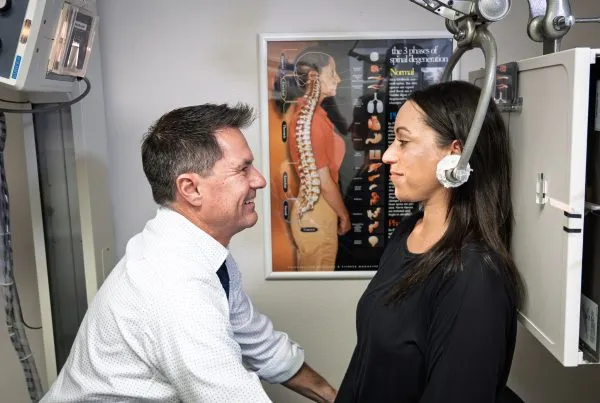
If you are experiencing back pain or neck pain, it’s important that you contact an experienced chiropractor for a physical examination. Be prepared with a list of your symptoms as well as an approximate timeline documenting the history of your pain.
Consider what lifestyle changes or physical injuries may be worth mentioning to give your doctor the best chance of a proper diagnosis. A thorough exam will most likely include x-rays or MRIs.
Depending on what your doctor discovers, they may decide on a treatment plan right away or may refer you to another provide if necessary.
Treating Spine Subluxation
Spinal health treatment plans may vary depending on the severity of your condition as well as other health factors. We’ve compiled a list of the most effective treatment options for those suffering from spinal subluxation:
Chiropractic Care
Chiropractor care practitioners are experts when it comes to your neck and spine. They also aim to find the focus of neck pain or back pain rather than merely masking your chronic pain with medication. A good chiropractor can perform a number of chiropractic adjustments that can help restore your spine’s alignment and your overall health.
Diet and Exercise Changes
We consume food every day that causes inflammation throughout our bodies and makes it hard to feel good. Processed foods or other foods low in nutritional value can also make it hard for our bodies to function as they should. Focusing on eating whole food and avoiding ultra-processed and sugary foods can contribute to overall wellness. Drinking plenty of water is also a factor in a healthier lifestyle.
When your muscles are strong, it helps keep your spine in proper alignment. Finding a fitness routine that incorporates both strength and cardio training will not only build muscle tone but improve your posture and aid in your healing process.
But remember that it’s not smart to jump into a routine that is too intense or unsustainable. Start small and work your way up as your stamina increases.
Physical Therapy & Massage Therapy
Your chiropractor may assign you simple movements or exercises you can do at home to improve your posture and strengthen your core muscles. Massage therapy may also be recommended and is an excellent way to increase blood circulation which promotes healing.
Mental Health Awareness
Along with focusing on your physical health, your mental health shouldn’t be ignored. As mentioned earlier, keeping your stress levels down is extremely important.
Find some stress-relieving activities such as meditating, yoga, walking, or painting that bring you joy. Additionally, speaking with a counselor is one of the most effective ways to stay mentally strong.
“Dr. Tapia, Dr. Young and staff are incredibly compassionate, professional and prompt. Most importantly, I have achieved a great deal of relief in my neck and my back with their treatment protocols.” – Intouch Chiropractic Review from Marie S.
What is Spine Subluxation in Conclusion
Spine subluxation is a term that describes a joint that doesn’t work properly, whether it’s not functioning as it should or is out of alignment. If you feel you or a loved one are suffering from any form of spinal subluxation, don’t hesitate to contact Intouch Chiropractic in San Diego, CA. Our experienced team is ready to help you with your health and answer all of your questions.
Whether you’ve experienced a major trauma to your body, sports injuries, mild discomfort to your spinal cord, or have noticed pain building up slowly over time, we are here to help. Call our office today at (619) 756-7510 or request an appointment here.